 ATC Furniture ATC Furniture
Choosing among the 10 Best Grade A Teak Outdoor Chairs requires more than admiring warm wood tones and polished photographs. A reliable buying decision depends on timber quality, construction, comfort, maintenance, and long-term outdoor performance. Grade-A teak outdoor chairs are typically made from mature heartwood, which contains natural oils that help resist moisture, insects, and seasonal changes.
In this guide, we examine chairs through practical details buyers can feel and inspect. Look for dense grain, smooth sanding, secure joints, balanced legs, and stainless steel or rust-resistant hardware. A well-made chair should feel stable on a patio, not wobble when someone shifts their weight. Seat depth, arm height, back support, and cushion compatibility also matter during extended meals or quiet afternoon use.
Real-world experience can reveal details that product descriptions miss. Some chairs appear flawless but develop rough edges after repeated exposure to sun and rain. Others feel firm at first yet become uncomfortable without a shaped seat or cushion. We also consider finish quality, expected upkeep, delivery condition, and the seller’s warranty or return policy. “Grade A” is not always defined consistently across suppliers, so buyers should question vague claims and request clear material information. Small imperfections may exist, even in premium furniture. That is worth remembering.
The selections below aim to balance appearance, comfort, durability, and value. They are not ranked by style alone. Each option deserves careful comparison against your climate, available space, and daily habits. A beautiful teak chair still fails if it is too narrow, too heavy, or difficult to maintain.
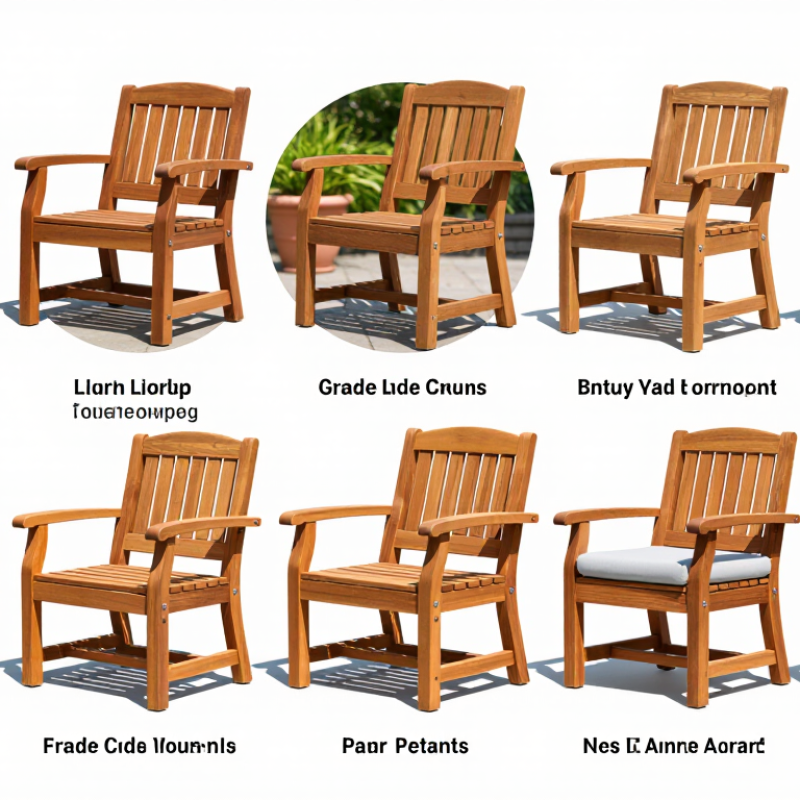
Grade A teak is prized for outdoor chairs because it combines strength, natural oils, and weather resistance. Its dense grain helps resist moisture, while its oils slow cracking and insect damage. A well-made chair can remain stable through hot summers and rainy seasons. However, “Grade A” is not a universal legal standard. Buyers should inspect the wood, joinery, and supplier information rather than trusting the label alone.
Look closely at the chair’s surface. Mature teak usually shows a warm golden-brown color and a straight, close grain. Small knots may appear, but large splits or soft patches deserve caution. Stainless steel hardware, smooth edges, and firm joints also improve outdoor performance. Teak will gradually turn silver-gray if left untreated. That change is natural, not necessarily damage. Still, I think many buyers underestimate maintenance. Even durable wood benefits from gentle cleaning, good airflow, and protection from standing water.
Tips: Place chairs on a level surface and avoid dragging them across stone. Wash dirt with mild soap and water, then let the wood dry fully. Do not use harsh bleach or aggressive pressure washing. Apply teak oil only when you understand the finish requirements; it can darken the surface and demand repeated upkeep. For a more reliable purchase, ask where the timber came from and whether responsible forestry documentation is available. Pay attention to comfort, too. A durable chair is disappointing if its seat feels hard after ten minutes.
| No. | Chair Type | Typical Dimensions (W × D × H) |
Approx. Seat Height | Recommended Load | Main Advantages | Best Outdoor Use | Care Considerations |
|---|---|---|---|---|---|---|---|
| 1 | Classic Teak Armchair | 24 × 25 × 35 in (61 × 64 × 89 cm) |
18 in (46 cm) |
Up to 300 lb (136 kg) |
Wide arms, stable construction, and comfortable support for long seating. | Dining areas, patios, and covered porches. | Clean periodically; apply teak oil only when a maintained golden color is desired. |
| 2 | Folding Teak Chair | 18 × 22 × 36 in (46 × 56 × 91 cm) |
18 in (46 cm) |
Up to 250 lb (113 kg) |
Space-saving design, easy storage, and convenient seasonal portability. | Balconies, small patios, events, and occasional outdoor dining. | Keep folding joints clean and check hardware periodically. |
| 3 | Teak Adirondack Chair | 31 × 33 × 38 in (79 × 84 × 97 cm) |
15–17 in (38–43 cm) |
Up to 300 lb (136 kg) |
Deep reclined seat, broad arms, and excellent relaxation comfort. | Gardens, decks, fire-pit areas, and waterfront spaces. | Use a cushion if desired; allow the chair to dry after heavy rain. |
| 4 | Teak Lounge Chair | 27 × 34 × 38 in (69 × 86 × 97 cm) |
16–18 in (41–46 cm) |
Up to 300 lb (136 kg) |
Angled backrest and generous seat for reading or extended lounging. | Poolside areas, sunrooms, covered terraces, and decks. | Use breathable outdoor cushions and avoid standing water. |
| 5 | Teak Dining Side Chair | 18 × 22 × 35 in (46 × 56 × 89 cm) |
18 in (46 cm) |
Up to 250 lb (113 kg) |
Armless profile fits efficiently around rectangular or round dining tables. | Outdoor kitchens, breakfast patios, and compact dining settings. | Maintain even contact with the ground and tighten fasteners as needed. |
| 6 | Teak Dining Armchair | 23 × 23 × 35 in (58 × 58 × 89 cm) |
18 in (46 cm) |
Up to 300 lb (136 kg) |
Adds arm support while remaining suitable for standard dining-table height. | Large patios, outdoor restaurants, and family dining spaces. | Leave clearance around arms and use mild soap for routine cleaning. |
| 7 | Teak Sling-Back Chair | 24 × 27 × 39 in (61 × 69 × 99 cm) |
18 in (46 cm) |
Up to 250 lb (113 kg) |
Breathable fabric reduces heat buildup and provides flexible back support. | Hot climates, pool decks, and humid outdoor seating areas. | Rinse fabric gently and inspect the sling, stitching, and attachment points. |
| 8 | Teak Rocking Chair | 26 × 33 × 43 in (66 × 84 × 109 cm) |
18 in (46 cm) |
Up to 300 lb (136 kg) |
Gentle rocking motion, durable frame, and strong visual appeal. | Covered porches, verandas, and sheltered entryways. | Place on a level surface and keep runners free of grit and debris. |
| 9 | Teak Bistro Chair | 19 × 21 × 33 in (48 × 53 × 84 cm) |
18 in (46 cm) |
Up to 250 lb (113 kg) |
Compact footprint, easy movement, and suitability for smaller tables. | Cafés, balconies, courtyards, and narrow urban terraces. | Avoid dragging; lift the chair to protect both wood and paving. |
| 10 | Teak Bar-Height Chair | 21 × 23 × 45 in (53 × 58 × 114 cm) |
30 in (76 cm) |
Up to 275 lb (125 kg) |
Elevated seating for entertaining and outdoor counters or bars. | Pool bars, high-top tables, terraces, and outdoor kitchens. | Use a footrest for comfort and check joints regularly because of higher leverage. |
Grade A teak generally refers to mature, dense heartwood taken from the inner portion of the teak tree. It naturally contains oil and silica, which help it resist moisture, insects, warping, and decay. High-quality teak should have a relatively uniform grain, consistent color, minimal knots, and few visible defects. When left unfinished outdoors, teak normally develops a silver-gray patina; cleaning and periodic sanding can help restore its original honey-brown appearance.
Buyer note: Dimensions and load ratings are typical planning ranges rather than universal specifications. Always verify the manufacturer’s structural rating, joinery, finish, wood origin, and applicable safety requirements before purchase.
Its dense grain resists moisture and warping. Natural oils help slow cracking and insect damage. A well-made chair can handle hot summers and rainy seasons.
No. The label does not guarantee consistent quality everywhere. Inspect the wood, joints, hardware, and timber information carefully.
Mature teak often has warm golden-brown color and straight, close grain. Small knots are acceptable. Avoid large splits, soft patches, or loose joints.
Yes. Untreated teak usually fades from honey brown to silver gray. That is normal. The color change is usually cosmetic, not structural damage.
Clean them every few months with mild soap, water, and a soft brush. Rinse thoroughly, then let the wood dry completely. Avoid harsh bleach and pressure washers.
Place them on level supports with good drainage underneath. Do not leave the legs in standing water. Use a breathable cover during extended rainy periods.
Apply teak-specific oil only after understanding its maintenance demands. Oil can darken the wood and create repeated upkeep. I once assumed more oil meant more protection. It created a sticky, uneven surface instead.
Check screws and joints twice each year. Tighten loose hardware carefully, without crushing the wood. Smooth edges and stainless steel hardware can improve outdoor performance.
Sit in the chair for at least ten minutes before buying it. Check seat depth, back support, and edge smoothness. Durable wood still feels disappointing when the seat is too hard.
Grade-A teak outdoor chairs are an excellent choice for comfortable, durable, and stylish outdoor living. Made from the highest-quality teak wood, they naturally resist moisture, insects, and changing weather conditions while developing an attractive silver-gray patina over time. When choosing a chair, buyers should check the wood’s grain, solid construction, smooth finish, stable joints, ergonomic design, and weather-resistant hardware. This guide compares ten top options by comfort, durability, appearance, versatility, and overall value to help shoppers select the right seating for their needs.
Different outdoor spaces call for different chair styles: compact designs suit balconies, dining chairs work well on patios, and deeper lounge chairs create a relaxing atmosphere beside pools or gardens. To extend the life of Grade-A teak outdoor chairs, clean them regularly with mild soap and water, remove spills promptly, avoid harsh chemicals, and store or cover them during severe weather. With proper care, teak chairs can remain attractive, strong, and comfortable for many years.