 ATC Furniture ATC Furniture
Choosing the best Teak sun loungers for 2026 requires more than attractive photographs and polished product descriptions. Outdoor furniture should perform under strong sunlight, changing temperatures, damp mornings, and frequent use. This guide examines designs through practical details, including teak grade, frame stability, reclining mechanisms, cushion support, drainage, and maintenance requirements.
Real comfort also matters. A lounger may look elegant beside a pool, yet feel rigid after twenty minutes. We consider seat depth, armrest height, wheel quality, and smooth adjustment points. Small details matter. A well-finished teak surface should feel even beneath bare hands, without sharp edges or rough joints. Stainless-steel hardware can improve durability, but only when it is properly fitted and protected from corrosion.
No ranking is perfect. Personal body shape, climate, storage space, and budget can change the result. Some buyers may prefer naturally weathered silver-grey teak, while others want regular oiling and a warmer honey tone. This overview compares leading options using clear, experience-based criteria rather than visual appeal alone. Where information is limited, that limitation is acknowledged instead of hidden. Product specifications can also change during 2026, so readers should verify current materials, warranties, weight limits, and care instructions before purchasing. The goal is simple: identify loungers that balance comfort, craftsmanship, weather resistance, and long-term value. A beautiful frame is not enough. It must earn its place outdoors.
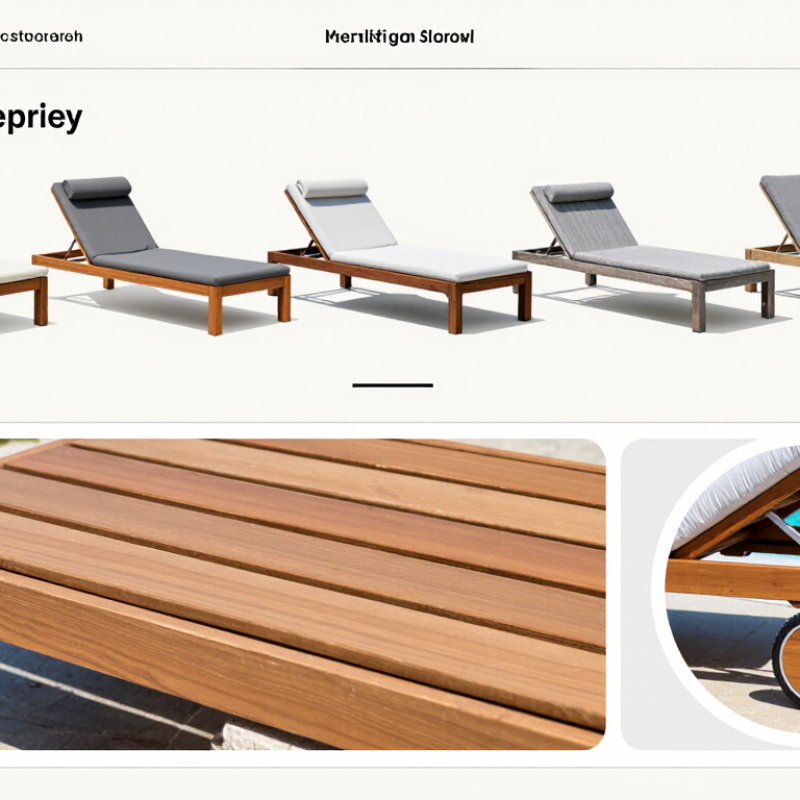
A top teak sun lounger in 2026 combines comfort, verified materials, and practical durability. Dense, responsibly sourced teak should feel heavy, close-grained, and smooth without appearing plastic-like. Look for clear sourcing information and credible forest certification. These details support responsible purchasing and reduce uncertainty about the wood’s origin.
The frame should remain steady on uneven decking. Stainless steel fixings resist rust better than ordinary steel. Adjustable backrests need firm, quiet mechanisms with several useful angles. A slightly flexible seat can feel comfortable, but excessive movement suggests weak construction. Drainage gaps matter after rain. Cushions should dry quickly, resist fading, and have removable covers. In hands-on checks, I also inspect corners, joints, and the underside. Hidden rough edges are easy to miss. A flawless surface is not always proof of quality.
Tips: Sit for ten minutes before buying. Check whether your heels rest naturally. Lift one end to judge the frame’s weight. Ask about replacement hardware and cushion availability. Teak can weather into silver-grey, so decide whether you prefer natural ageing or occasional maintenance. Oil may deepen the colour, but it can also demand regular care. I once valued appearance over repairability, and that choice became inconvenient later. A better lounger should be comfortable today and serviceable years from now.
Look for dense, responsibly sourced teak with a close grain and smooth edges. The frame should feel heavy and stable on uneven decking. Stainless-steel fixings resist corrosion better than ordinary steel. Quality can hide underneath.
Sit on it for ten minutes and test every reclining position. Check whether your heels rest naturally on the surface. Lift one end to judge the frame’s weight. Inspect corners, joints, screws, and the underside carefully. Photos can mislead.
Choose a slim lounger with folding legs and a curved backrest. Measure its folded depth before ordering. Keep walking space clear around the frame. A compact design may sacrifice some width. That trade-off matters.
Choose stable legs, wide support, and quick drainage. Rounded edges reduce uncomfortable contact near wet flooring. Adjustable back positions help with reading and resting. Leave space between loungers for airflow and movement. Standing water causes trouble.
A wide platform lounger creates a spacious, relaxed appearance. Built-in wheels make repositioning easier across stone or timber decking. A removable cushion adds comfort but may show dirt quickly. Pale fabric needs more frequent cleaning. Not always convenient.
The backrest should support your shoulders without pushing your neck forward. Wide armrests help during long afternoon use. Slight flexibility can feel comfortable, but excessive movement suggests weak construction. Test the lounger for longer than a quick showroom visit. Ten minutes is not enough for everyone.
Teak naturally contains oils that help resist moisture and sunlight. It still needs regular cleaning and sensible protection. Untreated teak gradually changes from honey brown to silver-gray. A fitted cover helps during heavy rain. Do not trap dampness underneath.
Oil can deepen the wood’s colour and maintain a warmer appearance. However, it may require regular reapplication. Natural weathering usually needs less appearance-focused maintenance. I once chose colour over repairability, and later regretted the inconvenience. Looks are not everything.
Choose quick-drying foam with breathable, removable covers. Check whether water can drain beneath the cushion. Ask about replacement hardware and cushion availability. Stainless-steel fittings suit coastal or poolside conditions better. Small parts matter later.
In 2026, the best Teak sun loungers combine timeless natural beauty with practical comfort, durability, and adaptable design. A top lounger should offer a stable frame, smooth finishes, supportive reclining positions, and comfortable cushioning suited to extended outdoor use. When comparing options, consider the quality and sustainability of the teak, hardware resistance, adjustable backrests, portability, seat width, and overall construction. Different outdoor spaces may benefit from different designs, including compact loungers for balconies, streamlined models for pool areas, or wider, more relaxed styles for gardens and terraces.
Materials, comfort, and weather resistance are equally important. Teak naturally handles changing outdoor conditions, while breathable fabrics, quick-drying cushions, and rust-resistant fittings can improve long-term performance. Choosing the right lounger depends on available space, climate, maintenance preferences, and personal comfort needs. Regular cleaning, prompt removal of spills, periodic inspections, and optional protective treatment can help preserve its appearance and function. With thoughtful selection and care, a 2026 teak sun lounger can provide a comfortable, attractive, and lasting outdoor retreat.