 ATC Furniture ATC Furniture
Engineered for high-traffic hospitality, resort project contracts, and commercial wholesale distribution
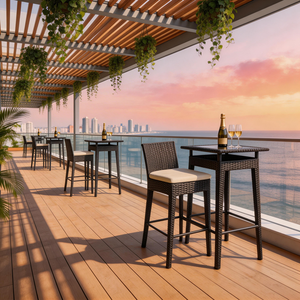
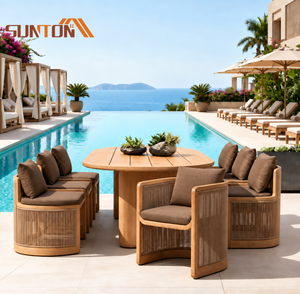
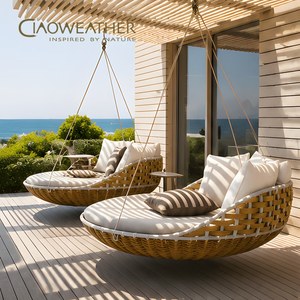
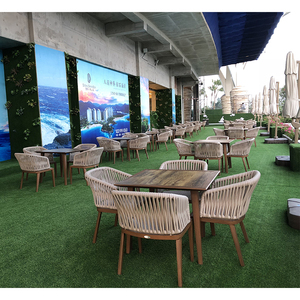
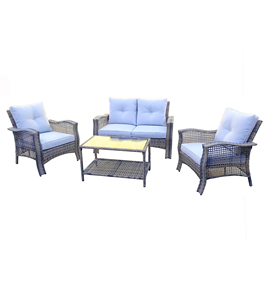
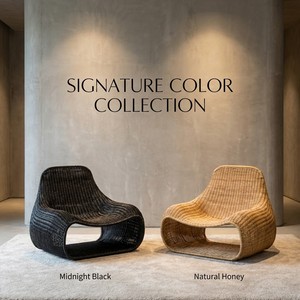
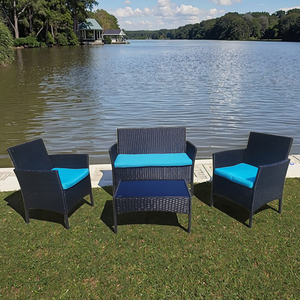
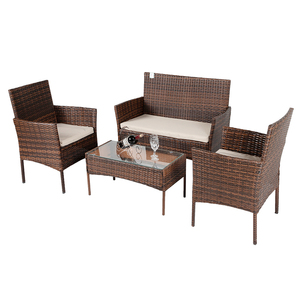
In the global commercial furniture sector, metal furniture manufacturing—spanning lightweight 6063-T6 aluminum alloys, electro-galvanized high-tensile steel, stainless steel (grade 304/316), and hybrid composite frames—represents the cornerstone of structural outdoor, hospitality, and institutional seating systems. Global buyers, hotel developers, contract furniture distributors, and volume procurement directors face an evolving macroeconomic environment. Sourcing decisions now require detailed technical evaluation of anti-corrosion metallurgy, surface pre-treatment chemistries, electrostatic powder coating standards, and supply chain resilience.
As leading industrial clusters across Asia undergo advanced automation upgrades, China wholesale metal furniture manufacturers and integrated dual-country production hubs (including Vietnam manufacturing nodes) have redefined cost-to-performance benchmarks. This comprehensive whitepaper provides enterprise buyers with empirical data, metallurgical insights, factory audit criteria, and strategic procurement frameworks essential for executing successful OEM, ODM, and contract project orders in 2026 and beyond.
Strategic Sourcing Key Takeaway: Modern metal furniture longevity is dictated not merely by wall thickness, but primarily by multi-stage chemical pretreatment (Zirconium conversion) and automated robotic TIG/MIG welding integrity. Evaluating factory laboratory testing capabilities prior to PO placement mitigates long-term commercial warranty liabilities.
Precision-extruded aluminum frames with wall thicknesses from 1.2mm to 2.0mm engineered to exceed EN 581 commercial contract durability metrics.
AkzoNobel & Tiger Drylac thermosetting polyester powder coatings paired with nano-ceramic pretreatment to withstand C5-M marine exposure.
Full 3D CAD modeling, rapid prototyping within 7 days, and modular jig welding tailored for private-label brand requirements.
Understanding metal selection is critical to optimizing product lifecycle against budget constraints. Metal furniture production relies primarily on three material categories, each serving specific commercial application environments:
Extruded aluminum is the premier choice for outdoor hospitality, resort poolside loungers, and high-humidity environments. With high strength-to-weight ratios and natural oxide layer protection, aluminum furniture will not rust even if the outer coating is compromised. T6 heat treatment enhances tensile yield strength up to 210 MPa, ensuring structural stability under heavy load conditions without structural flex.
Used extensively for budget-conscious outdoor dining sets, heavy-duty commercial bistro seating, and interior industrial furniture. Raw carbon steel must undergo hot-dip galvanization or electro-zinc plating prior to powder coating to establish a protective barrier against moisture penetration and oxidation. Proper edge-rounding and tube sealing are essential to prevent internal rusting along seam welds.
Specified for ultra-luxury residential developments and coastal resort installations subjected to high-salinity marine atmospheres. Grade 316 stainless steel contains 2-3% Molybdenum, providing exceptional resistance to pitting and crevice corrosion caused by airborne chlorides.
| Material Spec | Corrosion Resistance | Tensile Strength | Weight Profile | Ideal Commercial Application |
|---|---|---|---|---|
| Aluminum 6063-T6 | Exceptional (Non-rusting) | High (190-210 MPa) | Ultra-Lightweight | Poolsides, Coastal Hotels, Rooftop Bars |
| Galvanized Steel | Moderate to High | Very High (350+ MPa) | Heavy-Duty | High-Traffic Restaurants, Urban Bistros |
| 304 Stainless Steel | High | High (515 MPa) | Heavy | Commercial Dining, Public Parks |
| 316 Marine Stainless | Superior (Chlorides/Salt) | High (580 MPa) | Heavy | Cruise Ships, Beachfront Luxury Resorts |
A premier metal furniture factory in China differentiates itself through strict operational process controls. Below is the multi-stage manufacturing sequence implemented across modern 30,000+ m² production plants:
Raw metal tubing undergoes automated high-precision fiber laser cutting to achieve micrometer-level tolerances on joint notches and drainage apertures. Multi-axis CNC rotary tube benders perform complex spatial curves while preserving tube wall geometry without buckling or flattening.
Welding structural joints requires a combination of automated robotic MIG/TIG arm stations for standardized frames and skilled manual certified welders for complex curved contours. All load-bearing connections utilize full-penetration welding techniques, followed by meticulous pneumatic grinding to ensure smooth aesthetic transitions free of pinholes or slag inclusions.
Before painting, metal sub-assemblies pass through a fully automated 9-stage chemical immersion or spray tunnel:
Using Gema electrostatic spray guns, outdoor-grade thermosetting polyester powder (such as AkzoNobel Interpon or Tiger Drylac) is evenly applied at a thickness of 80 to 120 microns. Frames then enter a 200°C convection curing oven for 20 minutes, cross-linking the polymer chains into an impermeable, UV-resistant armor coating resilient against fading, chalking, and mechanical abrasion.
For metal-wicker or rope-wrapped hybrid furniture, powder-coated frames are transferred to ergonomic hand-weaving lines. Craftspeople weave high-density polyethylene (HDPE) synthetic wicker or UV-inhibited olefin ropes directly onto the structural chassis, ensuring uniform tension and seamless hidden end-fastening.
Commercial furniture procurement strategies are undergoing structural shifts driven by sustainability mandates, supply chain diversification, and evolving architectural aesthetics. Key industry macro-trends include:
Hospitality brands and institutional buyers increasingly require documented environmental product declarations (EPDs). Premier Chinese manufacturers now utilize up to 80% recycled post-consumer aluminum billet stock, which reduces embodied energy consumption by 95% compared to primary smelting, without compromising tensile performance.
With international maritime ocean freight rates subject to volatility, engineering teams prioritize modular, knock-down, or stackable metal frame geometries. Precision-fit cast aluminum connectors and hidden mechanical fasteners allow high-density container loading, dramatically reducing landed freight cost per unit by up to 40%.
Monolithic metal design has evolved into tactile multi-material synergy. Current contract trends blend architectural dark-toned powder-coated aluminum chassis with Grade-A teak armrest accents, quick-dry reticulated foam padding, and weather-resistant synthetic rope weaves, fulfilling contemporary outdoor aesthetic requirements.
Mitigating risk during China metal furniture wholesale procurement necessitates a structured quality assurance system. Buyers should mandate compliance verification across the following standard operational procedures:
Verify that the factory operates salt spray testing cabinets (ASTM B117), cross-hatch paint adhesion testers (ISO 2409), and pneumatic static/drop impact testing rigs (EN 581-2).
Ensure load-bearing structural joints undergo periodic ultrasonic or dye-penetrant inspection to eliminate hidden cold-welds or internal porosity.
All bulk export shipments should pass ISTA 1A or 3A transit testing standards, utilizing 5-ply honeycomb cardboard edge protection and scratch-resistant foam wraps.
Inspection Benchmark: During pre-shipment inspections (AQL 1.5/4.0), verify powder coating adhesion via a cross-hatch tape test. Coating detachment along lattice cuts indicates inadequate chemical pre-treatment and warrants container rejection.
Operating dedicated modern manufacturing complexes totaling over 30,000 m² of production space, our manufacturing operations combine high-volume metal tube fabrication, automated powder coating lines, and skilled hand-weaving craft divisions. Established with over two decades of export operational experience, we provide direct OEM/ODM services to major hotel chains, resort developments, and international wholesale distributors across 45+ countries.
Commercial durability is demonstrated through real-world deployment. Our custom metal and hybrid outdoor collections have been specified for luxury hotel, beachfront resort, and high-density residential developments globally, including major contract installations such as:
By maintaining complete internal control over raw metal procurement, tube processing, powder coating, weaving, and packaging within one facility, we eliminate middleman markups while enforcing consistent quality control from raw bill-of-materials to final container sealing.
Standard minimum order quantities typically start at one 40-foot High Cube (40HQ) container, which can accommodate mixed collections (typically 3–5 model codes). For custom OEM design projects requiring specialized extrusion dies or bending tooling, specific item MOQs generally range between 50 to 100 units depending on component complexity.
Coastal and marine-grade collections utilize high-purity 6063-T6 aluminum or 316 stainless steel substrates combined with a 9-stage zirconium nano-ceramic pre-treatment wash. Powder coating is executed using premier architectural-grade fluoropolymer or exterior polyester powders (AkzoNobel/Tiger) validated under ASTM B117 salt spray testing for 1,500 to 2,000 hours without blistering or undercut corrosion.
Standard production lead times for container orders are 30 to 45 days following deposit confirmation and sample sign-off. For custom OEM prototypes, CAD drawing generation requires 3-5 working days, followed by physical sample fabrication within 7-14 days.
Yes. We operate complete OEM/ODM customization services. Metal frames can be finished in any RAL shade, matte, fine-texture, or micro-metallic luster. Woven elements (HDPE synthetic rattan, rope, or outdoor straps) can be customized by color, UV-stabilizer level, profile dimension, and weave pattern matching your project specs.
We provide a 3-year to 5-year structural warranty on extruded aluminum frames under contract commercial use, and a 2-year to 3-year warranty on powder-coat finish integrity against peeling or severe chalking, subject to standard care and maintenance protocols.
All items undergo custom spatial stack-ability engineering during CAD development. Frame parts are protected using high-density polyethylene foam sleeves, 5-ply corner edge protectors, and shrink wrapping. High-volume stackable chairs are nested securely onto heavy-duty pallets or direct container floors to maximize volumetric efficiency.
Request our complete 2026 Commercial Outdoor & Metal Furniture Master Product Catalog, structural test reports, or schedule an in-person factory audit with our engineering export team.
Get Catalog