 ATC Furniture ATC Furniture
Curated commercial-grade outdoor dining solutions manufactured to ISO9001 and EN 581 standards. Featuring UV-stabilized HDPE synthetic rattan, T6 powder-coated aluminum framing, solid Grade-A teak, and high-density weather-resistant woven rope.
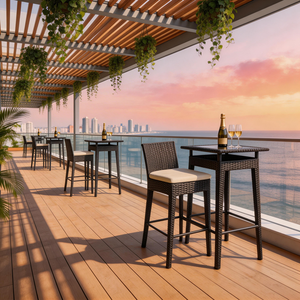
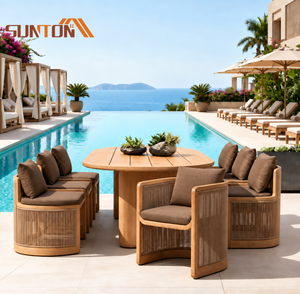
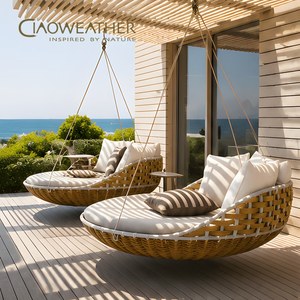
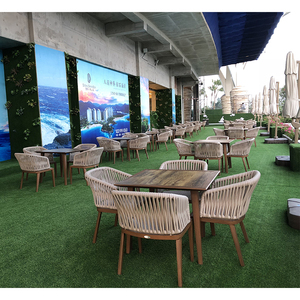
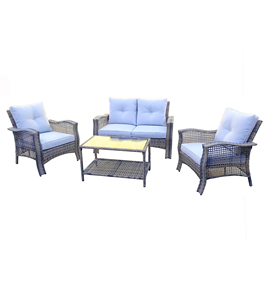
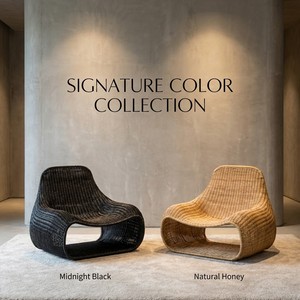
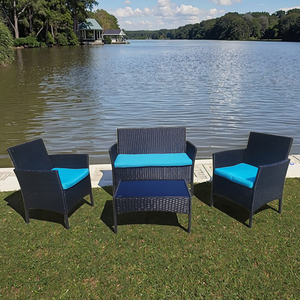
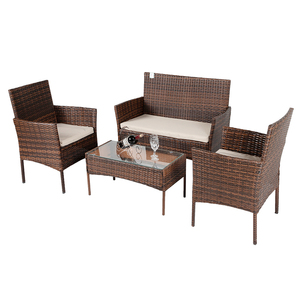
As global hospitality brands, furniture wholesalers, and commercial procurement directors navigate international supply chains, evaluating Top China Dining Set Factories & Exporters requires a deep understanding of raw material integrity, metalworking precision, and surface-finishing technologies. The Chinese outdoor furniture sector—centered around industrial hubs in Guangdong (Foshan/Shunde), Zhejiang (Ningbo/Linhai), and Anhui—has evolved from low-cost assembly into a sophisticated, vertically integrated engineering power engine.
Direct factory procurement eliminates multi-tiered trading markup while giving commercial buyers granular control over structural specifications. Modern Chinese outdoor dining set manufacturers operate in-house aluminum extrusion lines, automated robotic TIG welding cells, multi-stage conversion coating spray tunnels, and precision hand-weaving workshops. This operational scale enables strict adherence to contract furniture requirements, such as EN 581-1/2/3 European Standards for mechanical safety, stability, and load capacity.
The table below illustrates the technical parameters enforced by top-tier Chinese dining set exporters versus standard retail offerings:
Contract Spec: 1.2mm to 2.0mm wall thickness virgin aluminum. Full-perimeter TIG welds, pre-treated with zirconium conversion wash to prevent internal corrosion.
Contract Spec: 100% High-Density Polyethylene virgin compound infused with TiO2 UV stabilizers. Zero cracking or color fading under -30°C to +65°C extremes.
Contract Spec: AkzoNobel or Tiger Drylac architectural electrostatic powder coating. Salt spray corrosion tested for 1,500+ hours (ISO 9227 standard).
International B2B sourcing strategies for patio dining sets, bistro collections, and resort seating are undergoing significant structural shifts. Procurement managers must position their supply chains to capture emerging manufacturing and logistical efficiencies:
Institutional buyers, hotel procurement syndicates, and ESG-conscious retailers are mandating full traceability for synthetic fibers and timber components. Leading Chinese exporters are integrating certified post-consumer recycled HDPE polymers and 100% FSC-certified Grade-A teak. Water-based low-VOC powder coatings are replacing solvent-heavy industrial finishes across tier-1 manufacturing plants.
With ocean freight volatility remaining a strategic key risk indicator, modern dining set design focuses heavily on volumetric efficiency. Advanced CAD engineering allows chairs, dining table bases, and lounge components to nest together seamlessly. This optimization increases 40-foot High Cube (40HQ) container loading capacity by 22% to 35%, substantially reducing per-unit landed freight costs.
The traditional distinction between indoor and outdoor dining aesthetics has dissolved. Current product development trends blend matte powder-coated aluminum frames with tactile hand-woven Olefin ropes, sintered stone table tops, and quick-dry reticulated polyurethane foam cushions. These hybrid material combinations require factories to possess multi-material assembly capabilities under one roof.
To deliver commercial durability in high-traffic environments like coastal resorts, cruise ships, and urban rooftop restaurants, Chinese manufacturers have implemented key structural advancements:
1. Reticulated Quick-Dry Polyurethane Foam Core: Unlike standard furniture polyfoam that traps moisture and fosters mildew, contract outdoor dining chairs utilize open-cell reticulated foam. Pore structures allow water to drain instantly through the cushion base, reducing drying time from hours to minutes after rainfall.
2. Marine-Grade Olefin and Solution-Dyed Acrylic Weaving: High-density polyolefin ropes are UV-treated at the masterbatch stage before fiber extrusion. This technique locks color pigments deep within the filament core, rendering the material impervious to chlorine, saltwater discoloration, and intense UV degradation (AATCC 16 Gray Scale Grade 4.5 minimum).
3. Hidden Frame Ergonomic Welding: Contemporary Scandinavian and Nordic design aesthetics demand clean lines without visible fasteners or bulky weld seams. Premium factories utilize multi-axis CNC robotic bending machines and concealed internal gusset plates, delivering sleek minimalist silhouettes that maintain structural load ratings exceeding 200kg per seating position.
Direct answers to critical B2B sourcing, quality assurance, and logistical queries from international buyers:
Standard production MOQs generally start at one full 40-foot High Cube (40HQ) container, which typically accommodates between 120 to 250 dining sets depending on whether the items are fully assembled or Knock-Down (KD). Tier-1 manufacturers allow buyers to mix up to 2 to 4 different SKU models per container to optimize retail assortment planning.
Qualified export factories conduct QUV accelerated weathering tests according to ISO 4892-2 or ASTM G154 standards. Raw HDPE wicker samples undergo continuous exposure to intense UV-B light and moisture condensation cycles for 2,000 to 3,000 hours, ensuring the resin maintains tensile strength and color retention without embrittlement.
The standard mass production lead time is 30 to 45 days after deposit confirmation and sample sign-off. For custom OEM designs requiring new extrusion dies or specialized injection tooling, the initial sampling phase takes an additional 14 to 21 days.
Table tops are packed in ISTA-certified export packaging. Tempered glass and sintered stone surfaces are sealed in corner-protected EPE foam shrouds, housed inside high-burst-strength corrugated cartons, and strapped onto wooden pallets or crated in solid plywood cases to eliminate breakage during transit.
Yes. Contract dining set suppliers regularly produce cushions certified to British Standard BS 5852 (Crib 5) and California Technical Bulletin CAL 117-2013 fire retardancy specifications required by hotel chains, resorts, and public commercial venues.
Buyers should request an In-Process & Pre-Shipment Inspection (PSI) report covering: 1) Dimensional tolerance verification, 2) Powder coat thickness gauge testing (microns), 3) Drop testing and load testing (EN 581 standard), 4) Frame alignment & stability check on flat granite slabs, and 5) Container loading density photos.
Partnering with an established manufacturer offers significant operational advantages over intermediary trading firms. Our production ecosystem delivers direct oversight, material authenticity, and scale:
Our expansive production footprint integrates metal fabrication, robotic welding lines, automated powder-coating lines, precision weaving halls, and dedicated cushion sewing lines within one centralized facility.
In-house industrial design engineers convert client sketches, 3D CAD files, or reference images into physical control samples in 7 to 10 days, accelerating time-to-market for proprietary collections.
Trusted supplier to international resort portfolios, commercial purchasing groups, and wholesale networks across 45+ countries. Rigorous quality audits welcome prior to container shipment.
Access our detailed product catalog featuring complete dining set dimensions, frame specifications, custom weave options, and container loading metrics for wholesale and project procurement.
Get Catalog