 ATC Furniture ATC Furniture
Engineered for Japanese commercial venues, coastal resorts, and urban hospitality spaces. Tested to withstand high humidity, UV exposure, and intense seasonal temperature shifts.
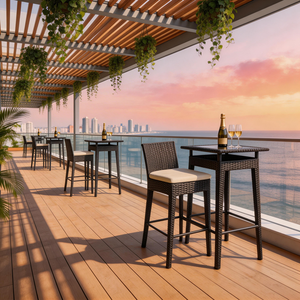
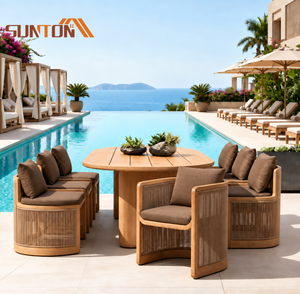
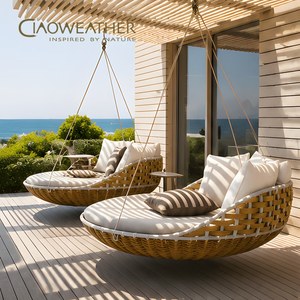
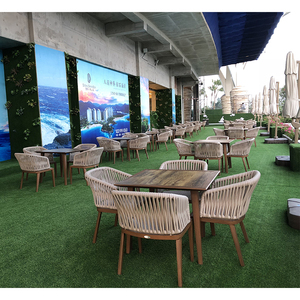
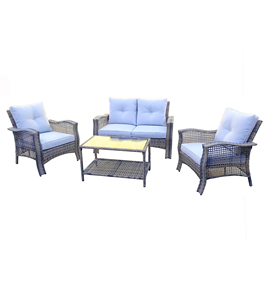
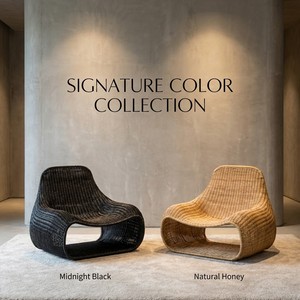
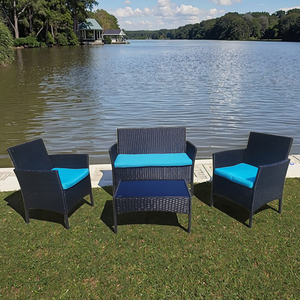
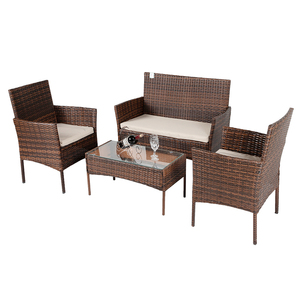
The Greater Nagoya metropolitan area—encompassing Aichi, Gifu, and Mie prefectures within the Chubu economic hub—represents one of Japan’s most demanding geographic sectors for outdoor commercial furniture procurement. Institutional buyers, hospitality procurement agencies, and wholesale distributors serving Nagoya must balance specific environmental stress factors: extreme summer heat islands within central urban districts like Sakae and Meieki, high coastal salt exposure originating from Ise Bay and Nagoya Port, and intense seasonal typhoons accompanied by torrential precipitation.
As a specialized outdoor patio furniture manufacturer and direct exporter operating a fully integrated 30,000 m² facility in Vietnam since 2006, our engineering standards directly address these regional challenges. By combining virgin High-Density Polyethylene (HDPE) synthetic wicker extrusion, robotically welded heavy-gauge 6063 aluminum frames, and marine-grade protective finishes, we provide Nagoya wholesalers with direct factory-gate pricing without intermediate trading markups.
A primary failure mode of commercial outdoor wicker in Japan's humid subtropical climate (Köppen-Geiger Cfa classification) is polymer embrittlement caused by ultraviolet degradation combined with moisture absorption. Standard PVC or recycled PE fibres degrade within 12–18 months under Nagoya's peak summer sun indices.
Custom structural footprints, modular adaptability, and aesthetic integration designed for Chubu's distinct commercial and residential landscapes.
High-density urban dining in central Nagoya demands lightweight, stackable, and space-optimized outdoor dining sets. High foot-traffic cafes around Sakae and Nagoya Station require fast-cleaning surfaces that resist food oil, coffee stains, and alcohol spills.
Optimal Furniture Match: Compact HDPE bistro seating, aluminum-framed rope dining chairs, and non-porous HPL top dining tables with reinforced base weights for elevated wind resistance.
Boutique hotels, beach clubs, and private villas along the Mie coastline and Chita Peninsula operate in aggressive salt-air environments. Lounging furniture must combine high aesthetic luxury with rugged all-weather resilience.
Optimal Furniture Match: Deep-seating synthetic wicker sofa sectionals, oversized daybeds, and UV-resistant outdoor sun beds fitted with quick-dry reticulated polyurethane foam cushions.
Traditional hot spring resorts (Onsen) in Gifu (Takayama, Gero) and Mie require outdoor furnishings that harmonize with natural wood, stone, and garden topography while resisting high moisture levels and geothermal vapor emissions.
Optimal Furniture Match: Natural wood-tone synthetic wicker armchairs, Grade-A FSC teak wood hybrids, and hand-woven water hyacinth style indoor/covered terrace collections.
The outdoor furniture sector in Chubu has undergone a structural transformation over the past decade. Driven by expanding urban commercial rooftop developments, hotel renovations ahead of regional tourism expansion, and heightened consumer preference for open-air dining, Nagoya commercial buyers now prioritize three structural capabilities:
Japanese commercial project contractors routinely mandate adherence to strict Japanese Industrial Standards (JIS). Outdoor seating supplied to public spaces, transit hubs (such as Chubu Centrair International Airport commercial precincts), and hotel terraces must undergo rigorous structural static-load testing, impact resistance checks, and joint fatigue tests. Our factory enforces internal QC protocols aligned with JIS S 1200 furniture testing benchmarks, guaranteeing structural integrity under maximum commercial load conditions.
During the late summer typhoon season, precipitation in the Nobi Plain can exceed 200mm within hours. Traditional foam cushions absorb water like sponges, leading to interior mildew, foul odors, and core degradation. Our export lines for Nagoya feature specialized reticulated dry-fast polyurethane cores wrapped in solution-dyed acrylic covers (such as Sunbrella® or high-grade Olefin). Water passes directly through the open-cell core structure, allowing cushions to dry completely within 30 to 45 minutes after heavy rain.
Leading Japanese real estate developers and procurement groups actively seek manufacturing partners with verifiable environmental practices. All teak utilized in our hybrid wicker-teak series is sourced from legally managed, sustainably harvested plantations certified under international forestry frameworks. Furthermore, our synthetic HDPE wicker is 100% recyclable, containing zero heavy metals, lead additives, or toxic plasticizers.
Eliminating agent commissions, securing customizable OEM development, and ensuring reliable container delivery directly into the Port of Nagoya (Nagoya-ko).
Our owned manufacturing plant in An Giang Province houses complete in-house processing: metal tube bending, TIG welding, automated powder-coating lines, hand-weaving bays, and custom cushion tailoring. Full vertical control ensures zero component outsourcing delays.
Japanese interior designers frequently request customized dimensions to fit compact balcony geometries. Our engineering department transforms CAD sketches or 3D renderings into physical physical samples within 7–10 working days.
Optimized container loading programs (40ft HQ maximum volume filling) shipped directly from Ho Chi Minh City ports to Nagoya Port (Nagoya-ko). Streamlined customs paperwork and export documentation ensure effortless import clearance for Japanese trade entities.
Essential answers regarding ocean logistics, minimum order quantities, custom finishing, and technical quality assurances.
Production lead time generally ranges between 30 to 45 days depending on order complexity and container volume. Direct ocean transit from Ho Chi Minh City (Cat Lai / Cai Mep port) to Port of Nagoya typically takes 9 to 12 days. We provide full container tracking and complete export documentation tailored for Japanese customs clearance.
Our HDPE synthetic wicker is tested according to ASTM D1559 standards for UV degradation (3,000-hour exposure test). It retains its tensile strength, flexibility, and original color without fading or becoming brittle. Combined with chromate-treated powder-coated aluminum frames, our furniture is 100% immune to rust and salt air corrosion prevalent in Ise Bay coastal locations.
Yes. Custom OEM/ODM development is a core capability. Our in-house master sample team builds physical prototypes from architect CAD files, technical drawings, or reference photos. We assist in modifying dimensions to match compact Japanese terrace configurations while ensuring stackability for reduced freight costs.
Our standard wholesale MOQ is one 40ft High Cube container. However, to support new distributors and complex hospitality tenders in Nagoya, we allow mixing up to 3 to 5 different product models within a single container to optimize inventory variety.
We provide comprehensive material safety datasheets (MSDS), SGS lab reports for UV resistance, salt spray corrosion test certificates, and structural load documentation required by Japanese commercial procurement agencies and hotel developers.